Flies
Order: Diptera | The True Flies
From blood suckers to scavengers, no animal is responsible for the deaths of humans and more economic loss than flies. It has been stated that over 50% of the world’s population is directly affected by fly-borne pathogens and parasites. Recent human history has been so affected by the transmission of diseases, i.e. typhoid and malaria epidemics, it has changed the course of military battles and destroyed the economic development in many societies. Flies of importance to homeowners, businesses and industries fall into several groups:
Daytime
House flies will rest on any surface.
Night time
House flies are found close to their daytime food supply at 5-15 feet from the ground.
Control: The non-chemical control of the house fly is sanitation, exclusion and habitat destruction. The best chemical control is with residual insecticides, pyrethrins, contact sprays, baits, traps and larvicides.
Control: Non-chemical control of the flesh flies is sanitation and habitat destruction. Chemical control is best with residual insecticides and contact sprays.
Control: Non-chemical control is sanitation and habitat destruction.
Chemical control is residual insecticides, contact sprays and larvicides.
Control: Non-chemical control is sanitation and habitat destruction.
Chemical control is residual insecticides and contact sprays.
Control: Non-chemical control is sanitation, habitat destruction and moisture control.
Chemical control is residual insecticides and contact sprays.
Control: Non-chemical control is sanitation, habitat destruction and moisture control.
Chemical control is residual insecticides and contact sprays.
Control: Non-chemical control is exclusion by means of screening, weather stripping and caulking around eaves, windows, etc. Chemical control is with residual insecticides and contact sprays.
Control: With non-chemical control each of the biting flies that attack humans requires habitat destruction. Chemical control is with residual insecticides, contact sprays and repellent.
From blood suckers to scavengers, no animal is responsible for the deaths of humans and more economic loss than flies. It has been stated that over 50% of the world’s population is directly affected by fly-borne pathogens and parasites. Recent human history has been so affected by the transmission of diseases, i.e. typhoid and malaria epidemics, it has changed the course of military battles and destroyed the economic development in many societies. Flies of importance to homeowners, businesses and industries fall into several groups:
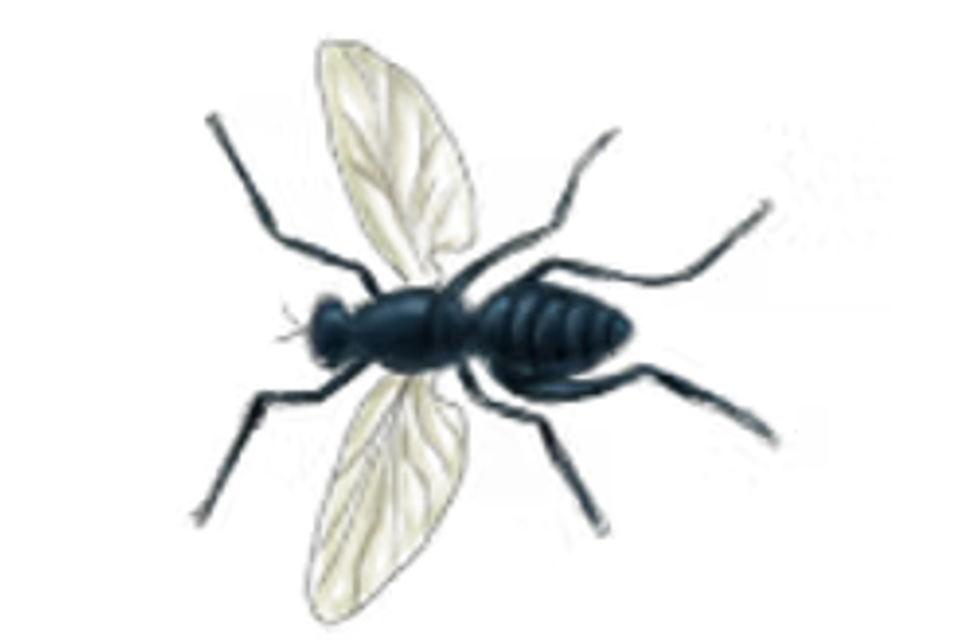
- Humpbacked Fly
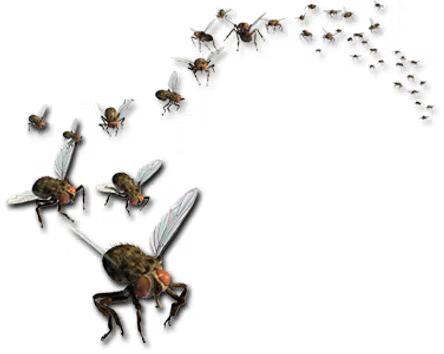
- Domestic Non-Biting House Flies
Daytime
House flies will rest on any surface.
Night time
House flies are found close to their daytime food supply at 5-15 feet from the ground.
Control: The non-chemical control of the house fly is sanitation, exclusion and habitat destruction. The best chemical control is with residual insecticides, pyrethrins, contact sprays, baits, traps and larvicides.
- Flesh Flies
Control: Non-chemical control of the flesh flies is sanitation and habitat destruction. Chemical control is best with residual insecticides and contact sprays.
- Blow Flies
Control: Non-chemical control is sanitation and habitat destruction.
Chemical control is residual insecticides, contact sprays and larvicides.
- Fruit Flies
Control: Non-chemical control is sanitation and habitat destruction.
Chemical control is residual insecticides and contact sprays.
- Phorid Flies
Control: Non-chemical control is sanitation, habitat destruction and moisture control.
Chemical control is residual insecticides and contact sprays.
- Moth Flies
Control: Non-chemical control is sanitation, habitat destruction and moisture control.
Chemical control is residual insecticides and contact sprays.
- Cluster Flies
Control: Non-chemical control is exclusion by means of screening, weather stripping and caulking around eaves, windows, etc. Chemical control is with residual insecticides and contact sprays.
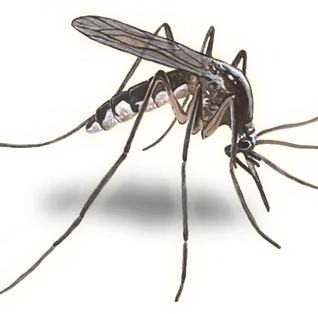
- Biting Flies That Attack Humans
Control: With non-chemical control each of the biting flies that attack humans requires habitat destruction. Chemical control is with residual insecticides, contact sprays and repellent.